Archives
- 2026-10
- 2026-09
- 2026-08
- 2026-07
- 2026-06
- 2026-05
- 2026-04
- 2026-03
- 2026-02
- 2026-01
- 2025-12
- 2025-11
- 2025-10
- 2024-12
- 2024-11
- 2024-10
- 2024-09
- 2024-08
- 2024-07
- 2024-06
- 2024-05
- 2024-04
- 2024-03
- 2024-02
- 2024-01
- 2023-12
- 2023-11
- 2023-10
- 2023-09
- 2023-08
- 2023-07
- 2023-06
- 2023-05
- 2023-04
- 2023-03
- 2023-02
- 2023-01
- 2022-12
- 2022-11
- 2022-10
- 2022-09
- 2022-08
- 2022-07
- 2022-06
- 2022-05
- 2022-04
- 2022-03
- 2022-02
- 2022-01
-
In addition to plasma membrane sites OCT
2024-07-10
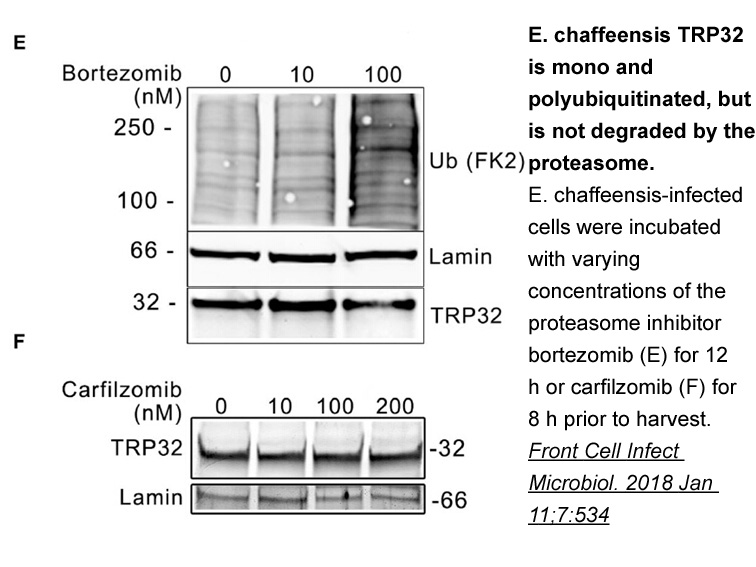
In addition to plasma membrane sites, OCT3 was also observed associated with endomembranes, including mitochondrial membranes, with particularly strong expression in the outer nuclear membranes of both neurons and astrocytes (Gasser et al., 2017), indicating that, in addition to regulating extracell
-
Until now five muscarinic receptor M genes have
2024-07-10
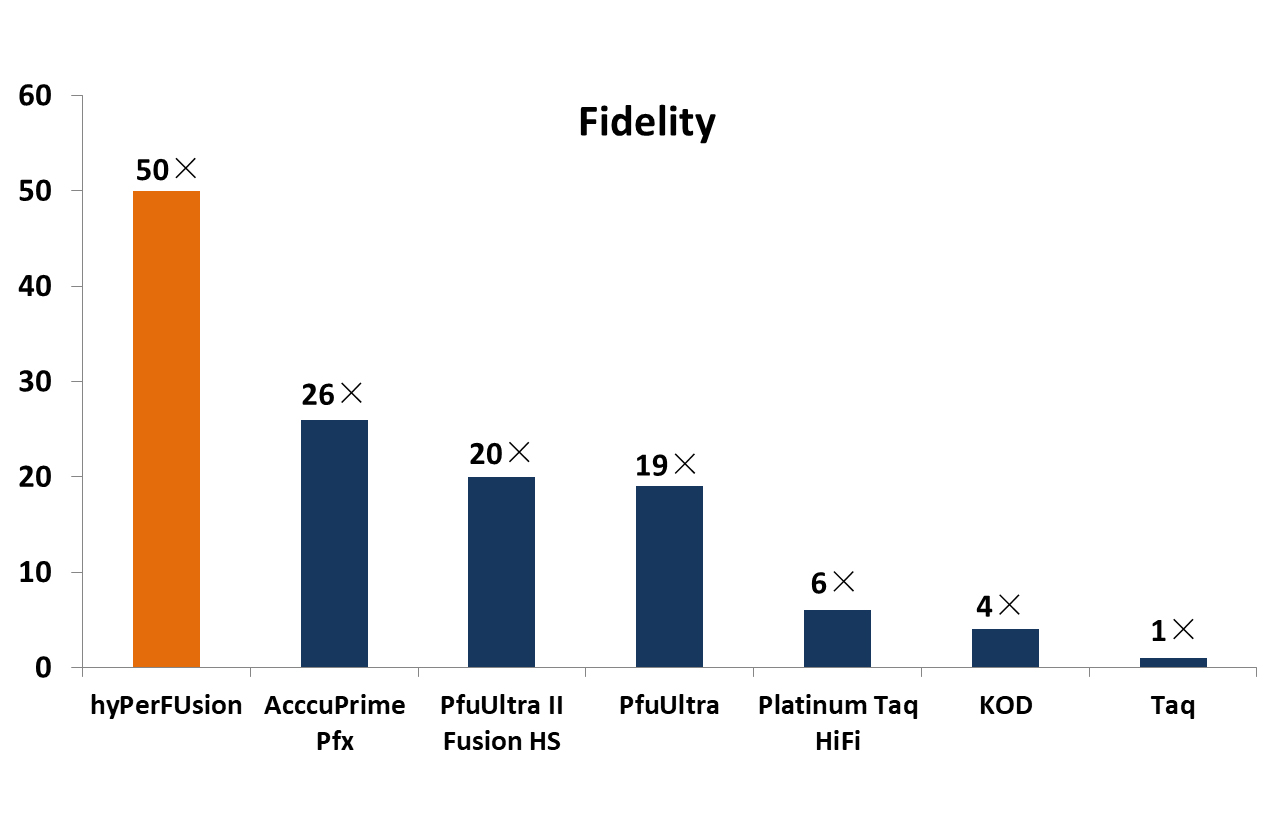
Until now, five muscarinic receptor (M1-5) genes have been cloned, but, M1-3 receptors are functionally recognized in the lungs. Smooth muscle contraction is mainly mediated by M3. M2 may also participate in the contraction via Gi protein which leads to a decrease in cAMP. On the other hand, M2 is l
-
The role of DHT in early teleost embryogenesis is not
2024-07-10
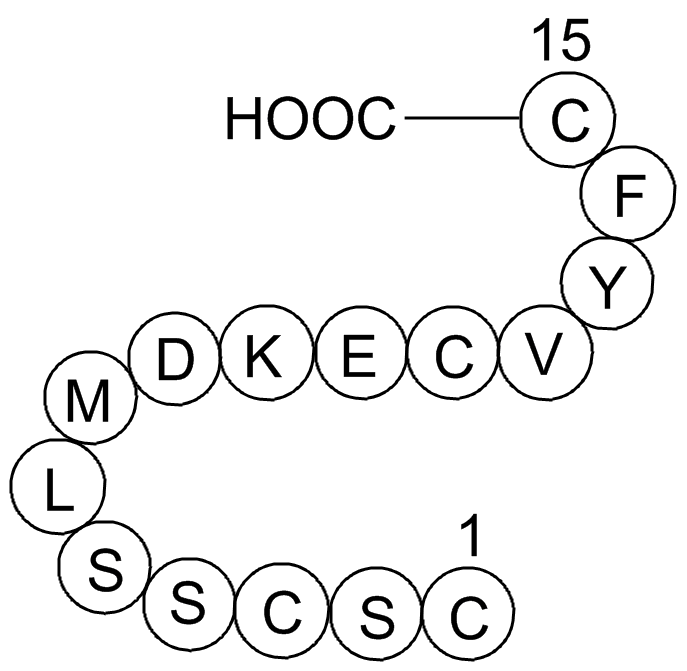
The role of DHT in early teleost embryogenesis is not entirely clear or established, however additional studies that treat fish embryos to DHT or to specific srd5a inhibitors at critical stages of development (i.e. prior to sex differentiation) will shed light on the early functions of this androgen
-
Lapatinib Ditosylate Since the localization of LO
2024-07-10
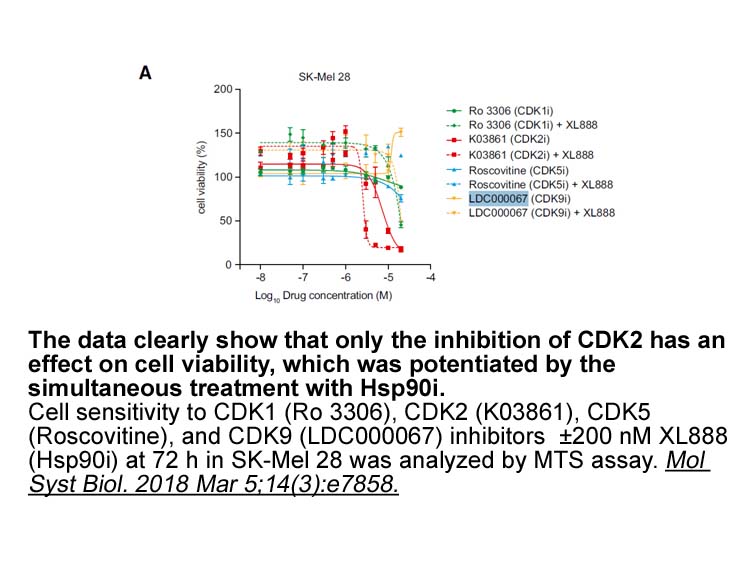
Since the localization of 5-LO depends on phosphorylation, we also analyzed the phosphorylation profile of 5-LO-WT and all isoforms by Western blot using specific Lapatinib Ditosylate against the phosphorylation sites S271 and S523. Whereas phosphorylation at S271 activates the 5-LO, inhibits nucle
-
The earliest appearance of tumors occurred at
2024-07-10
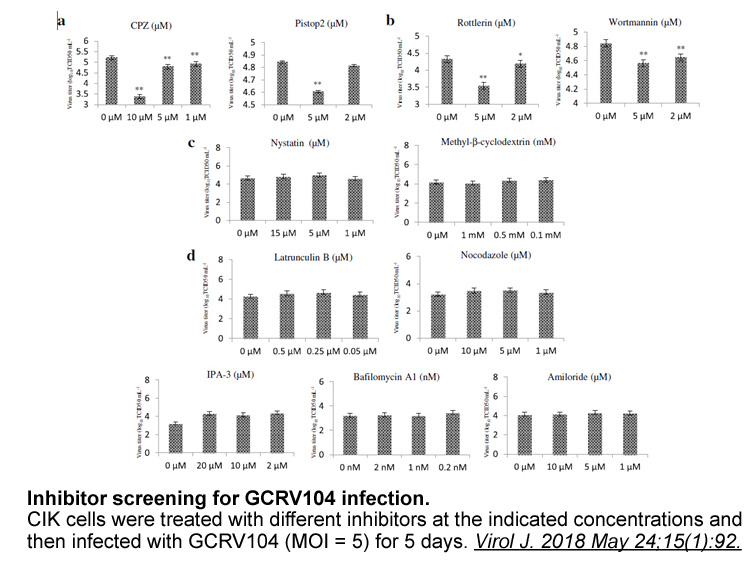
The earliest appearance of tumors occurred at 12 months and the latest at 24 months, with an average onset at 18 months (Fig. 1B). This would be roughly equivalent to cancer presenting in a patient between 60 and 70 years of age. In transgenic animals, autotaxin Niflumic acid receptor was relativel
-
Accumulating data suggest that ROS
2024-07-10
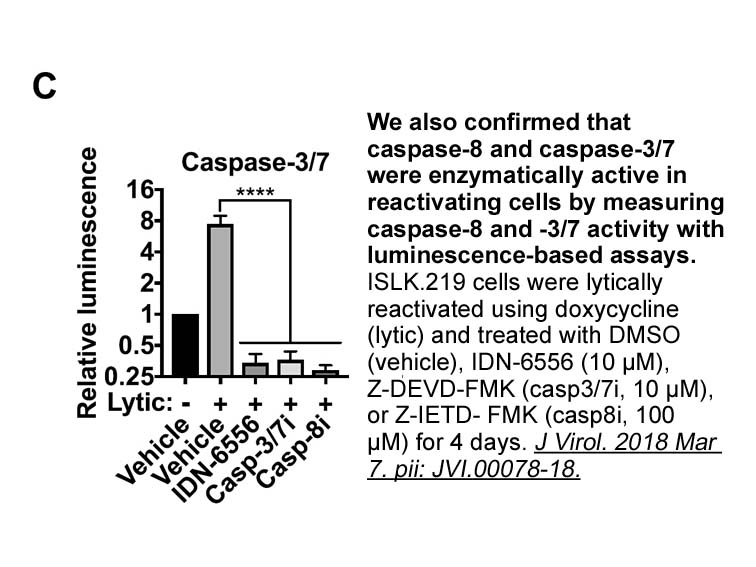
Accumulating data suggest that ROS trigger autophagy but, in turn, autophagy reduces ROS levels [23]. Our results are in agreement because 27-OH mediated autophagy induction interms of LC3 II formation and Beclin 1 protein expression was suppressed by treating the promonocytic cells with the antioxi
-
While the yeasts and see Glossary
2024-07-10
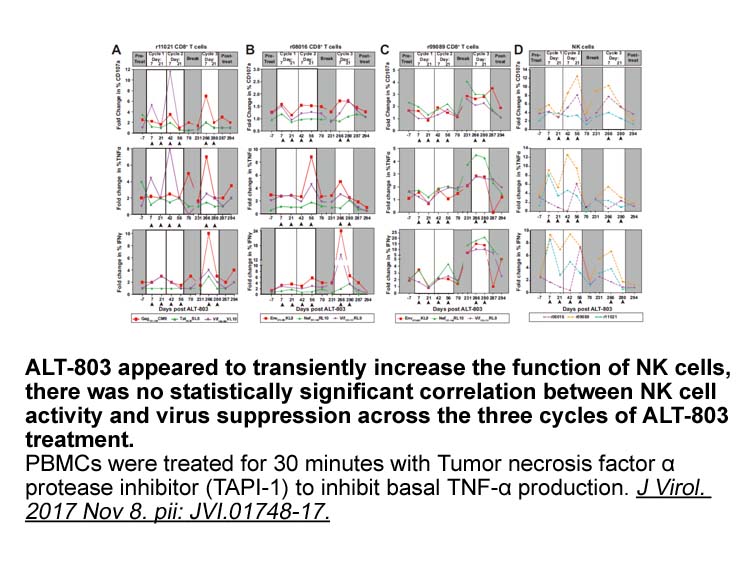
While the yeasts and (see Glossary) each contain only one Aurora homolog, Ipl1p (increase in ploidy 1) and Ark1 (Aurora-related kinase 1), respectively 5, 6, , and Xenopus laevis contain two Aurora kinases: Aurora A and Aurora B [4]. Mammals have three Aurora kinases, A, B, and C (Figure 1). In anim
-
Previously using a P lacZ reporter gene
2024-07-10
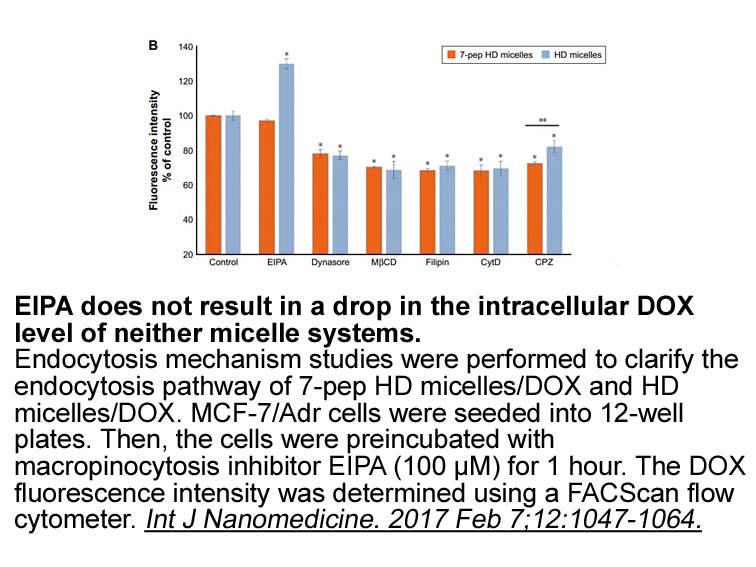
Previously, using a P-lacZ reporter gene system, it has been shown that the β-galactosidase activity was 9-fold higher in the stationary phase Fesoterodine Fumarate australia when compared with those of the exponential phase [15]. Furthermore, inositol supplementation did not have a major effect on
-
br Interaction between ASK and TRX Thioredoxins
2024-07-10
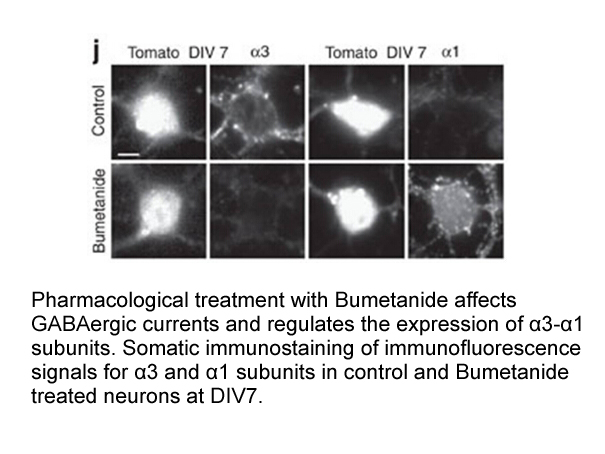
Interaction between ASK1 and TRX Thioredoxins are small (∼12kDa) dithiol oxidoreductases ubiquitously expressed in species ranging from plants to archaea and mammals. They perform various biological functions, such as reducing protein disulfide bonds, supplying reducing equivalents to redox NSC 6
-
br Conclusions br Acknowledgments br
2024-07-09
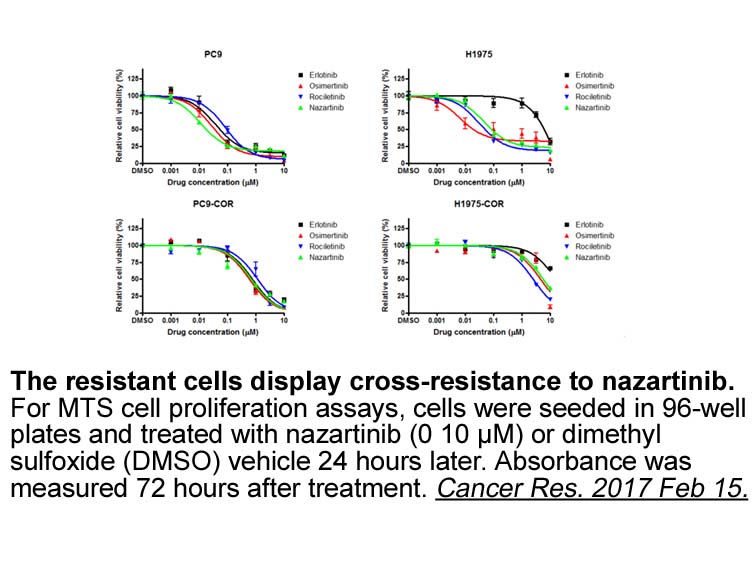
Conclusions Acknowledgments Introduction The surface water bodies are affected by effluents containing pollutants from wastewater treatment plants, storm water overflows and run-off from non-point sources like agricultural land and urban city surfaces. This relates to land-based sources occ
-
To date attention has been
2024-07-09
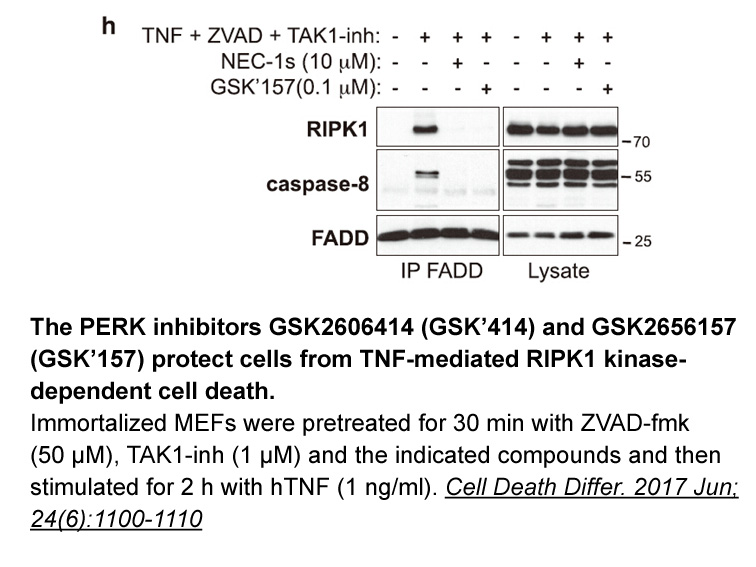
To date, attention has been directed towards new molecular targets in luminal phenotype (ER-positive), such as CDK4/6 and, to a lesser extent, androgen receptor (AR) pathways [8]. While the role of CDK4/6 has been elucidated and their inhibitors have shown a benefit in luminal BC, the role of AR in
-
br Competing interests br Acknowledgments This
2024-07-09
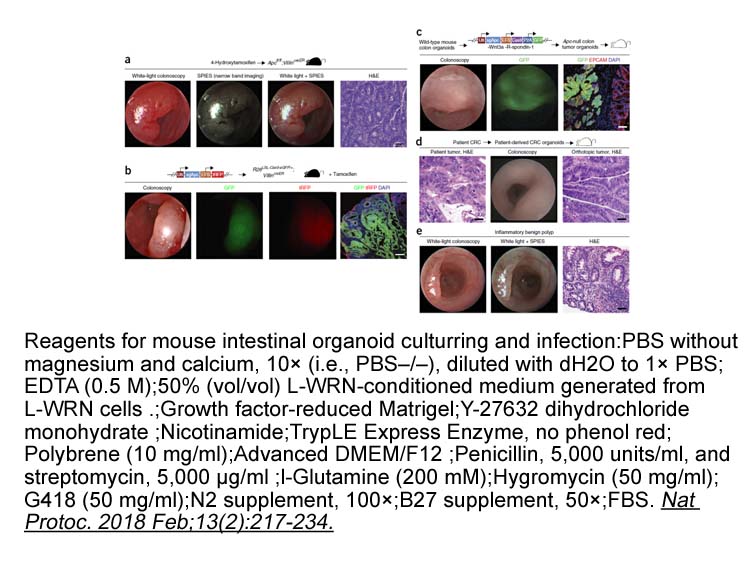
Competing interests Acknowledgments This research was supported by Basic Science Research Program through the National Research Foundation of Korea (NRF) funded by the Ministry of Science and ICT (NRF-2014R1A4A1071040). Introduction Mitochondria occupy an important position as mediators of
-
Synthesis of the pterin carboxamides was
2024-07-09
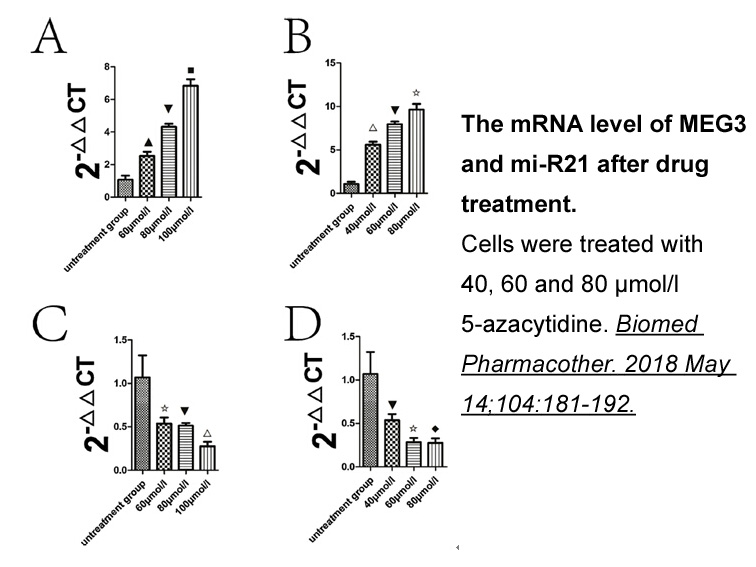
Synthesis of the pterin-7-carboxamides was achieved, as shown in , based on a previously reported method that utilizes DBU as a key additive to dissolve pterin in organic solvents and accelerate the reaction., With this method, the pterin-amino Phenformin conjugates (–) were readily obtained by si
-
It thus appeared reasonable that AR needed
2024-07-09
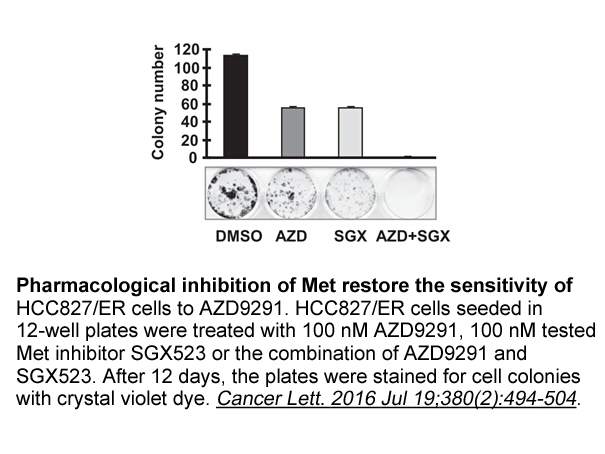
It thus appeared reasonable that AR needed to be inhibited and great experimental efforts began which are still on-going [6]. Indeed, hundreds of ARIs have been characterized but no significant drug development has followed. The case of Sorbinil, which did not pass clinical trials is emblematic [7]
-
br Experimental procedures br Results br Discussion br Ackno
2024-07-09
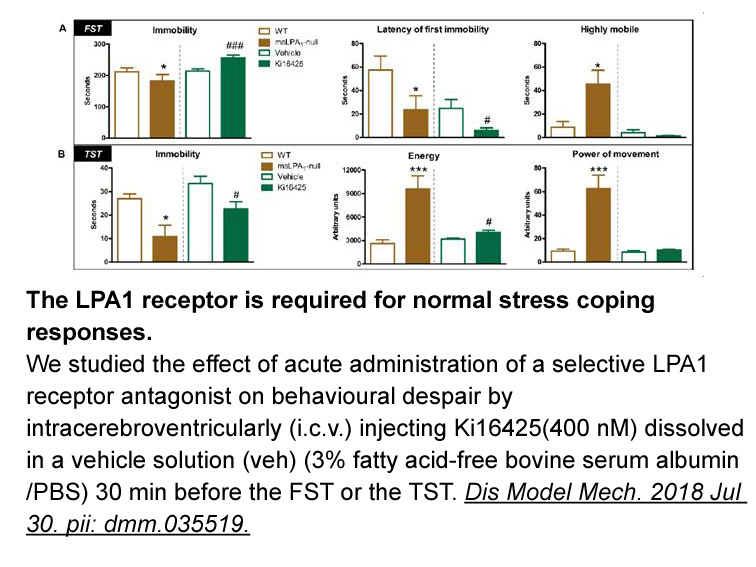
Experimental procedures Results Discussion Acknowledgments Introduction β-Adrenergic receptors (β-ARs) belong to the superfamily of membrane proteins termed G protein-coupled receptors. β-ARs are distributed in the effector Diclofenac Sodium of most of the sympathetic nerve fibers, a
7970 records 113/532 page Previous Next First page 上5页 111112113114115 下5页 Last page