Archives
- 2026-10
- 2026-09
- 2026-08
- 2026-07
- 2026-06
- 2026-05
- 2026-04
- 2026-03
- 2026-02
- 2026-01
- 2025-12
- 2025-11
- 2025-10
- 2024-12
- 2024-11
- 2024-10
- 2024-09
- 2024-08
- 2024-07
- 2024-06
- 2024-05
- 2024-04
- 2024-03
- 2024-02
- 2024-01
- 2023-12
- 2023-11
- 2023-10
- 2023-09
- 2023-08
- 2023-07
- 2023-06
- 2023-05
- 2023-04
- 2023-03
- 2023-02
- 2023-01
- 2022-12
- 2022-11
- 2022-10
- 2022-09
- 2022-08
- 2022-07
- 2022-06
- 2022-05
- 2022-04
- 2022-03
- 2022-02
- 2022-01
-
HCV NS A inhibits induction
2022-01-26
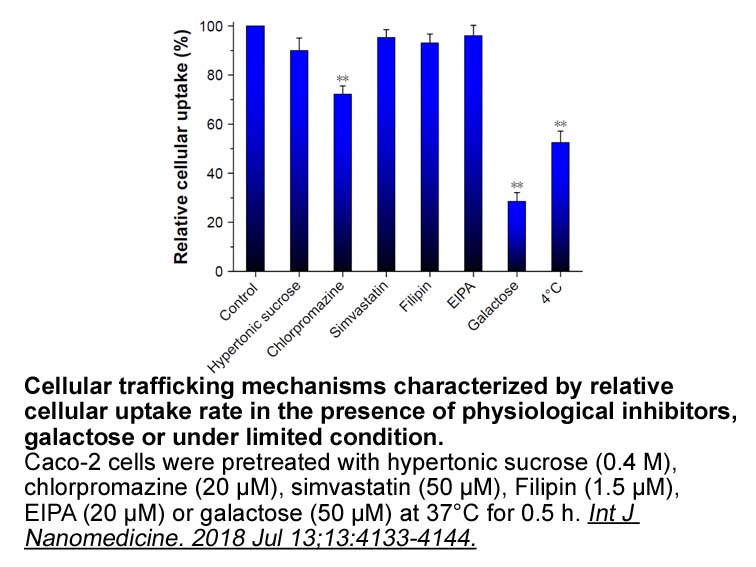
HCV NS3/4A inhibits induction of the type I interferon response by cleaving MAVS from the mitochondrial surface (Li et al., 2005b). MAVS is cleaved at cysteine 508, and CCT245737 of cysteine 508 to arginine (C508R) abrogates cleavage (Li et al., 2005b). GBV-B and the related canine hepatitis virus
-
br Conclusions br Acknowledgments This work was
2022-01-26
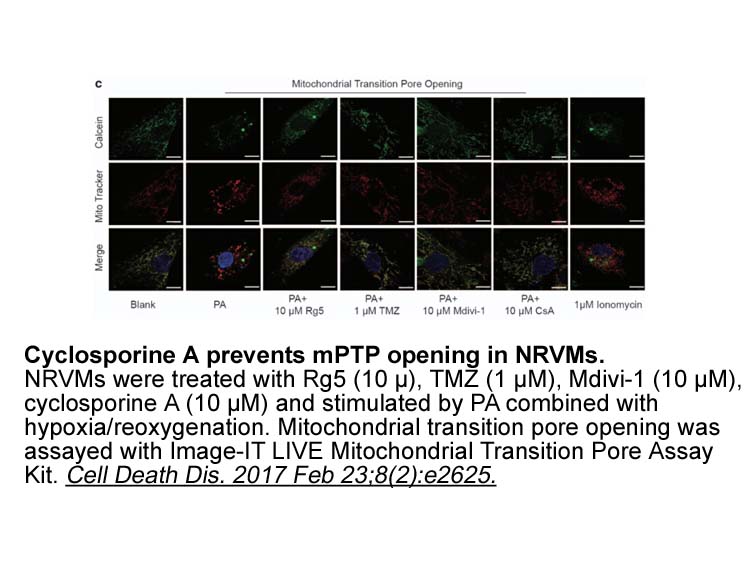
Conclusions Acknowledgments This work was financially supported partly by Shanghai Pujiang Talent Project (No.: 08PJ14017), the National Natural Science Foundation of China (Nos.: 20771029 and 91013001) and Shanghai Leading Academic Discipline Project (No. B108). Soluble guanylate cyclase (
-
We found few differential effects on lung function for
2022-01-26
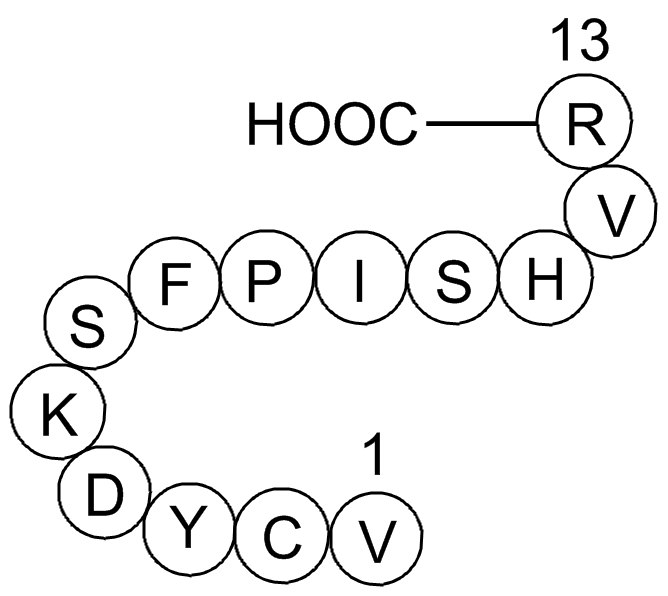
We found few differential effects on lung function for exposure to mother’s and father’s smoking in relation to GSTM1 and GSTT1. However, effects related to mother’s or father’s smoking may differ because mothers tend to spend greater amounts of time with young children and mothers may also smoke du
-
Chronic exposure of cells to cytotoxic drugs can result
2022-01-26
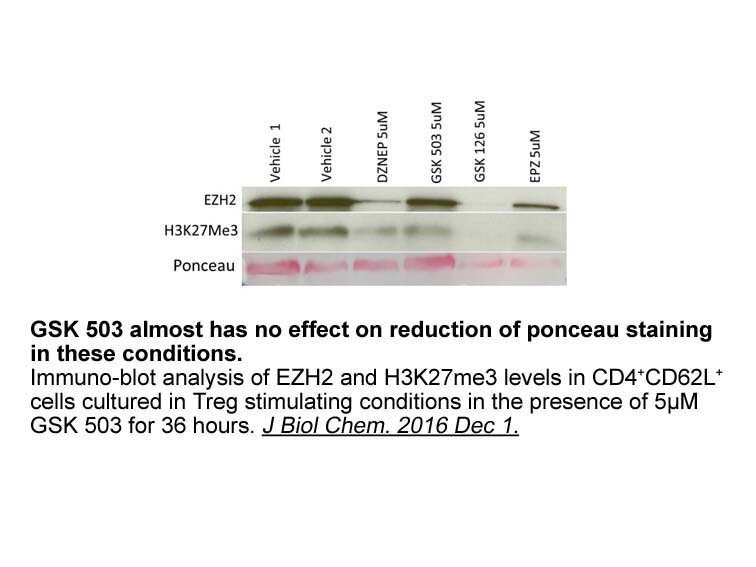
Chronic exposure of cells to cytotoxic drugs can result in the selection of multiple phenotypic and genetic changes. Thus, the use of MCF7/VP cells, which were selected for resistance to VP-16, was potentially problematic. However, a thorough characterization of MCF7/VP cells demonstrated that they
-
Thermal analysis of the NQ peptide was performed with the
2022-01-26
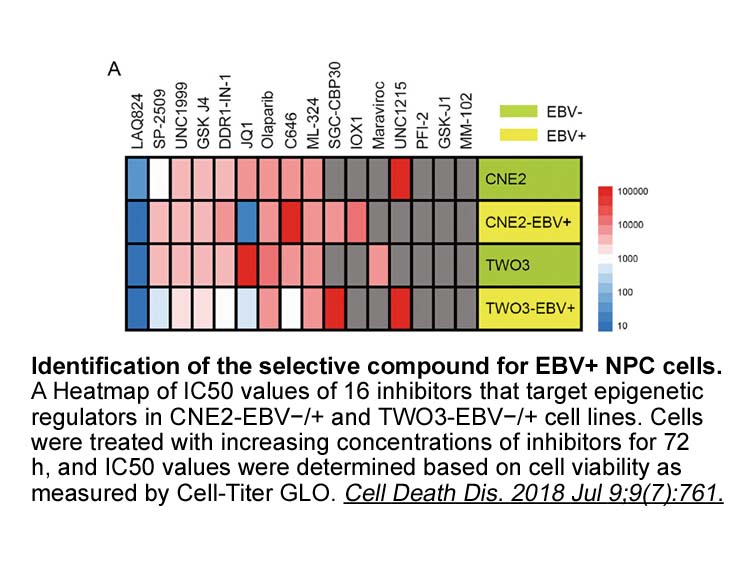
Thermal analysis of the NQ21 peptide was performed with the Solar CM2203 spectrofluorometer. We prepared three 1 μg/mL peptide solutions with different madecassol levels (5.0, 7.4, 8.5) in 0.01 M phosphate buffers. Each solution was slowly heated up from 28 °C to 54 °C with a step of 1 °C. Spectra w
-
No compounds in this series showed any
2022-01-25
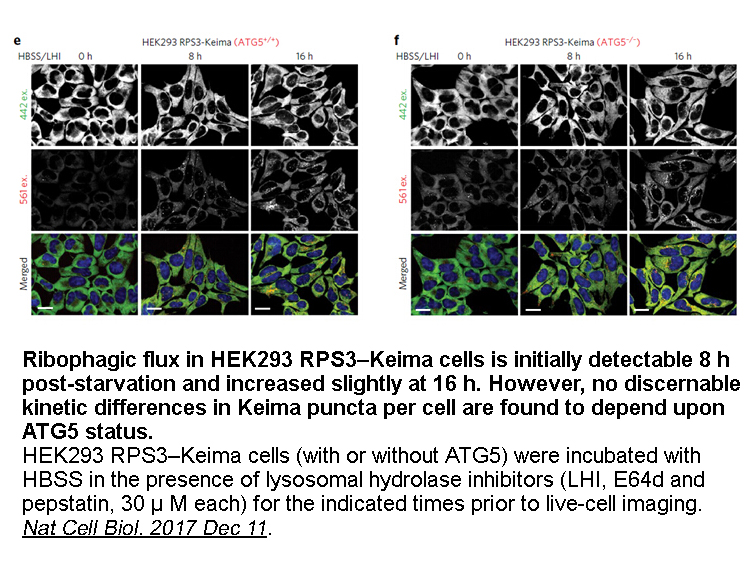
No compounds in this series showed any appreciable activity at GlyT2 and can thus be considered GlyT1-selective. For the GlyT2 IC was >20μM. To determine CNS penetration of -(2-(azepan-1-yl)-2-phenylethyl)-benzenesulfonamides, select compounds were evaluated in a cassette CNS exposure screen in ma
-
br Materials and methods br Results br Discussion To the
2022-01-25
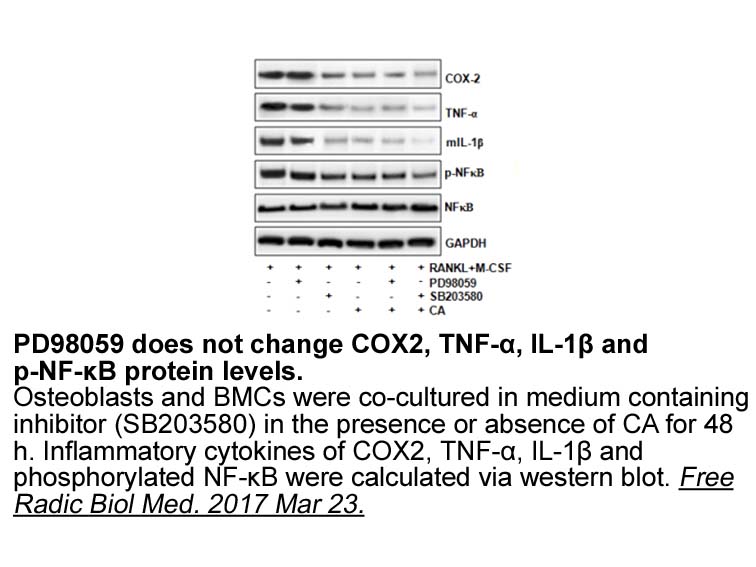
Materials and methods Results Discussion To the best of our knowledge, the current study presented the first evidence that GPR40, also named FFAR1, played an essential role in bone formation and mediated praziquantel biltricide induced osteogenic effect via Wnt/β-catenin signaling. We foun
-
Xenobiotic metabolizing enzymes are classified as being phas
2022-01-25
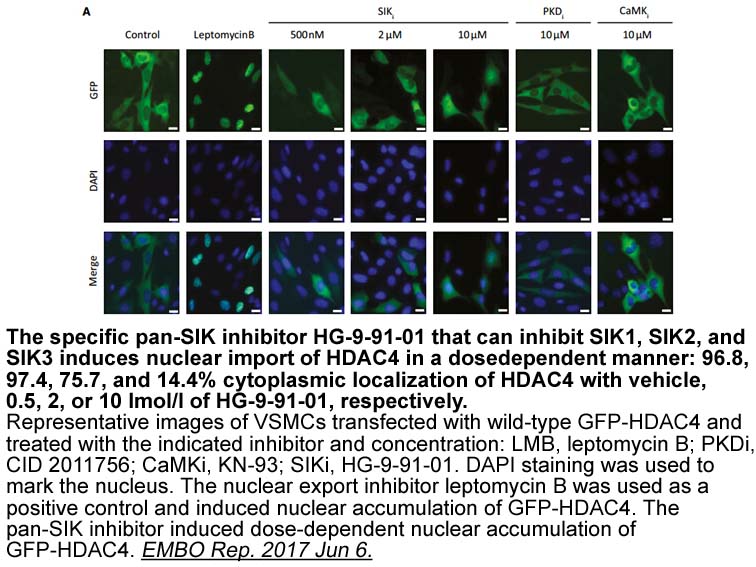
Xenobiotic metabolizing enzymes are classified as being phase I, phase II and transporter enzymes, with phase I enzymes metabolizing lipophyllic xenobiotics to make them more polar so that the phase II enzymes can perform the necessary conjugation reactions that afford elimination. Although the phas
-
Compound and several additional FPR antagonists identified h
2022-01-25
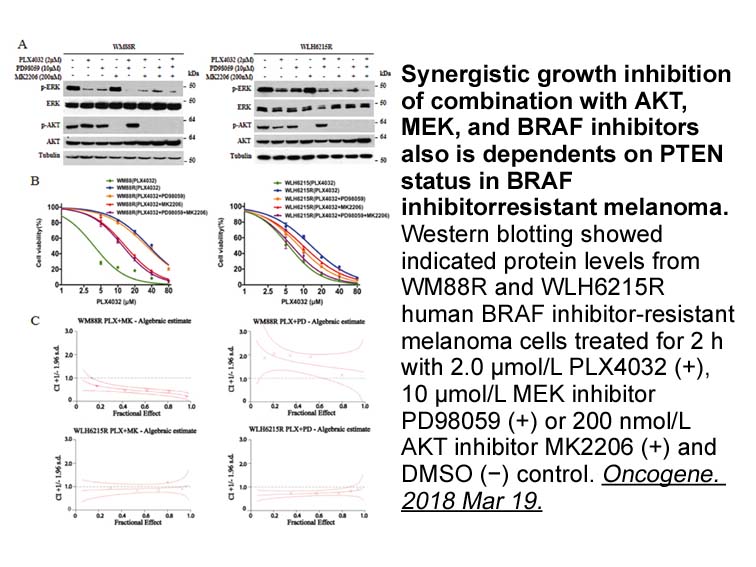
Compound 10 and several additional FPR1 antagonists identified here specifically blocked fMLF-induced responses mediated via FPR1 in FPR1-HL60 JNJ-54781532 synthesis and human neutrophils, but not responses mediated via FPR2 or FPR3 (in human neutrophils and transfected HL60 cells) or Fpr1 (murine
-
br Introduction The fibroblast growth factor receptor FGFR p
2022-01-25
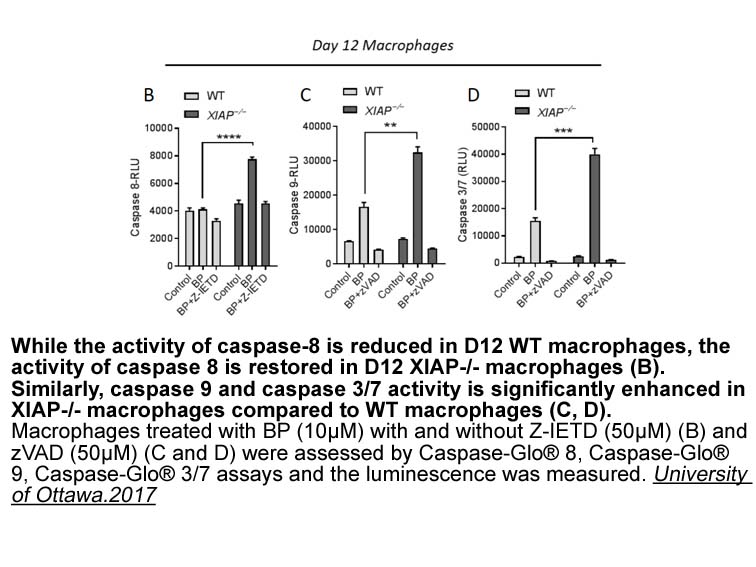
Introduction The fibroblast growth factor receptor (FGFR) pathway is an important oncogenic driver in malignant cancer. It controls cellular processes such as cell proliferation, differentiation, migration, Artemisinine progression, metabolism, and survival. In non–small-cell lung cancer, the mo
-
The feasibility of using the
2022-01-25
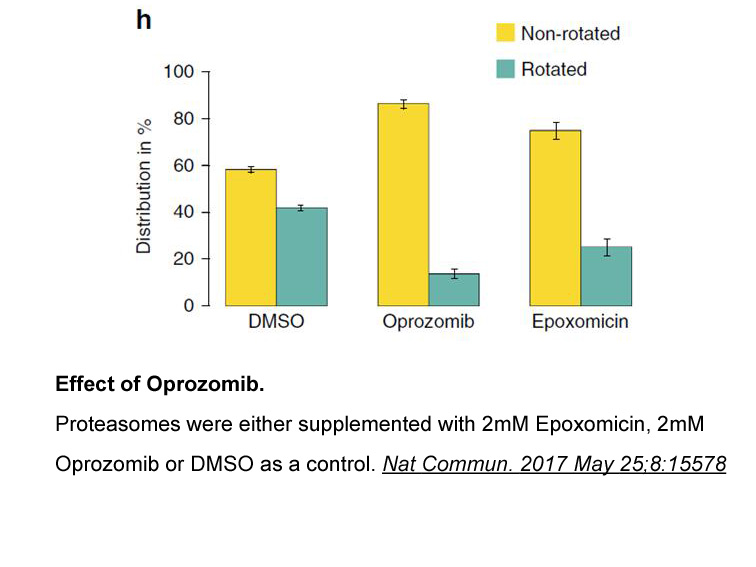
The feasibility of using the Fas/Fas ligand (FasL) system to target vascular progenitor Adox contributing to intimal hyperplasia has been shown in many studies [[18], [19], [20], [21], [22], [23], [24]]. Fas receptor, a member of tissue necrosis factor family, is a death receptor that initiates apo
-
Nivolumab sale In the FARM motifs of GGPPSs hydrophobic amin
2022-01-25

In the FARM motifs of GGPPSs, hydrophobic Nivolumab sale are replaced by aliphatic amino acids, which are more flexible residues and allow the entrance of longer substrates into the pocket (Wang and Ohnuma, 2000). It has been reported that the lepidopteran Manduca sexta CA possesses GGPP synthase (G
-
br Interference in coagulation assays Conversely to heparin
2022-01-25

Interference in coagulation assays Conversely to heparin, or heparin like cyclic amp function (LMWH, Fondaparinux, Sodium Danaparoid), which are catalytic inhibitors requiring the presence of AT for their activity, as depicted on Fig. 2, DiXaIs are directly targeted to Factor Xa, and are reversib
-
Introduction Hedgehog HH signaling regulates development
2022-01-25
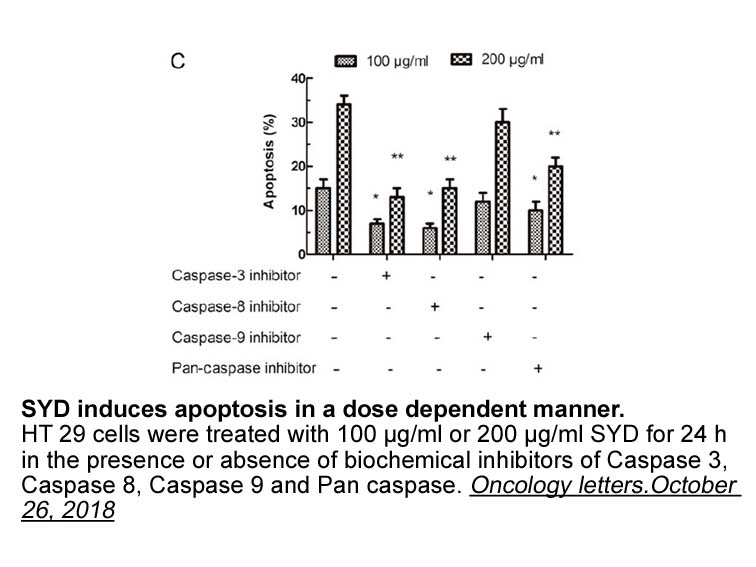
Introduction Hedgehog (HH) signaling regulates development, cell proliferation, and tissue repair [1], [2], [3]. In mammals, HH signaling is activated by 3 ligands: Sonic hedgehog (SHH), Indian hedgehog (IHH), or Desert hedgehog; SHH is the most widely expressed in adult tissues [3]. The primary re
-
PDEs a group of metallophosphohydrolases hydrolyze the
2022-01-25
PDEs, a group of metallophosphohydrolases, hydrolyze the 3′,5′-cyclic phosphate group on cyclic nucleotides to a 5′-monophosphate, thereby blocking cyclic AMP (cAMP) or cGMP signaling [8,9]. There are different types of PDE isozymes, with different substrate specificities. PDE5 (specific to cGMP) an
7965 records 516/531 page Previous Next First page 上5页 516517518519520 下5页 Last page