Archives
- 2026-07
- 2026-06
- 2026-05
- 2026-04
- 2026-03
- 2026-02
- 2026-01
- 2025-12
- 2025-11
- 2025-10
- 2024-12
- 2024-11
- 2024-10
- 2024-09
- 2024-08
- 2024-07
- 2024-06
- 2024-05
- 2024-04
- 2024-03
- 2024-02
- 2024-01
- 2023-12
- 2023-11
- 2023-10
- 2023-09
- 2023-08
- 2023-07
- 2023-06
- 2023-05
- 2023-04
- 2023-03
- 2023-02
- 2023-01
- 2022-12
- 2022-11
- 2022-10
- 2022-09
- 2022-08
- 2022-07
- 2022-06
- 2022-05
- 2022-04
- 2022-03
- 2022-02
- 2022-01
- 2021-12
- 2021-11
- 2021-10
- 2021-09
- 2021-08
- 2021-07
- 2021-06
- 2021-05
- 2021-04
- 2021-03
- 2021-02
- 2021-01
- 2020-12
- 2020-11
- 2020-10
- 2020-09
- 2020-08
- 2020-07
- 2020-06
- 2020-05
- 2020-04
- 2020-03
- 2020-02
- 2020-01
- 2019-12
- 2019-11
- 2019-10
- 2019-09
- 2019-08
- 2019-07
- 2019-06
- 2019-05
- 2019-04
- 2018-07
-
Each of these substrate receptors belongs to
2020-02-21
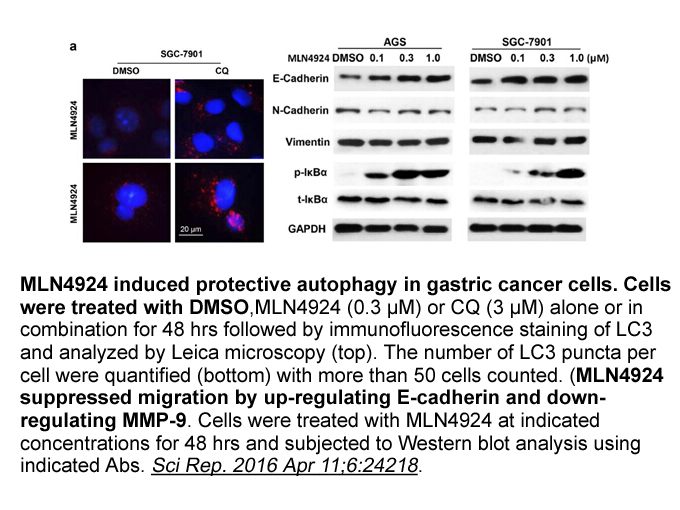
Each of these substrate receptors belongs to a multigene family with tens, if not hundreds of members in plants, and with in part overlapping and in part differential substrate specificities [4]. The complexity of the system is nicely illustrated by the F-box protein and auxin receptor TRANSPORT INH
-
br Material and methods br Results br Discussion Ligase
2020-02-21
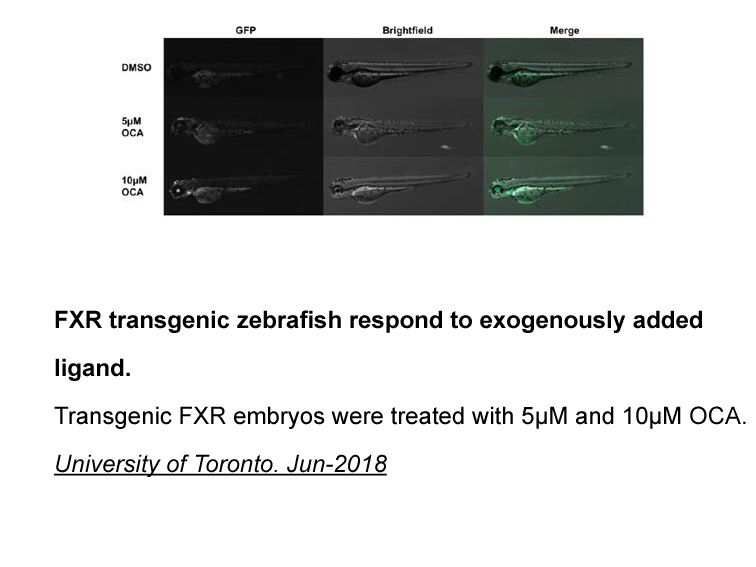
Material and methods Results Discussion Ligase IV is essential for the final ligation of DSBs through the NHEJ pathway. Its co-factor, XRCC4, has been shown to be important for increasing its activity and stability. Interaction between these two factors have been mapped to the linker region
-
kn 47 Such concerns do not apply to the anti inflammatory ac
2020-02-21
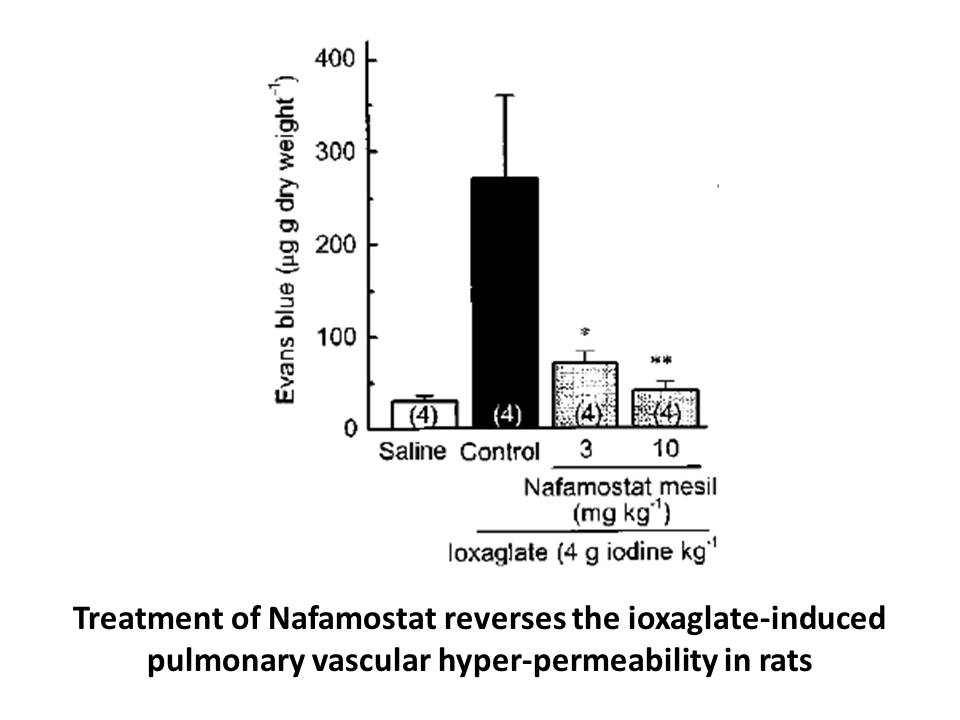
Such concerns do not apply to the anti-inflammatory actions shown by the agent, given that CR3465 proved effective in various models of inflammation including guinea pig, rat, and human. Airway inflammation, involving a complex network of local mediators, cytokines, and effector kn 47 (Bradley et a
-
In mice our EBI EGFP reporter showed that
2020-02-20
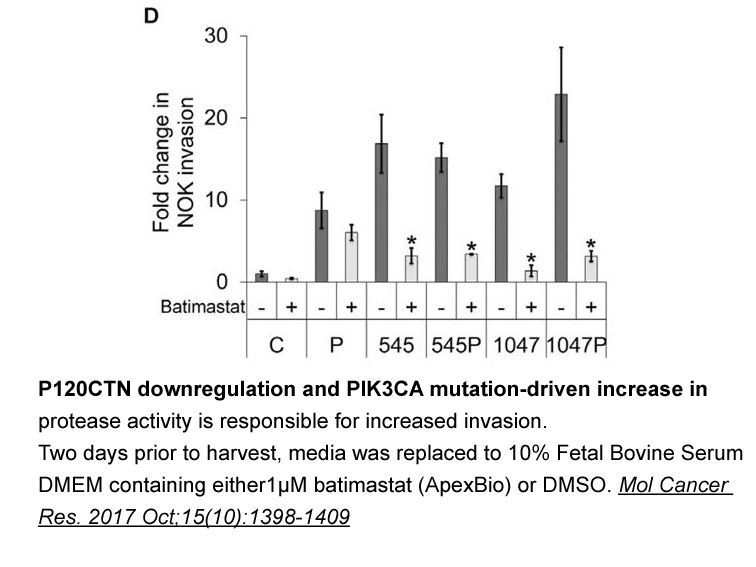
In mice, our EBI2EGFP reporter showed that EBI2 is expressed consistently in naive T helper cells. Already single positive CD4+ thymocytes express EBI2 (not shown). In effector and regulatory T cells in naive mice, the percentage of EBI2 expression was lower (∼40%). Like others (Liu et al., 2011), w
-
br E E backside interaction The E possesses
2020-02-20
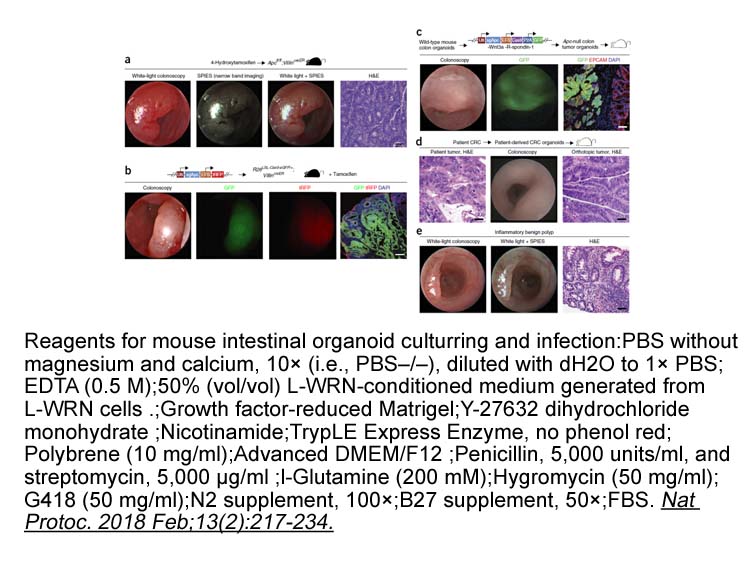
E3–E2 backside interaction The E2 possesses an important regulatory interface which is termed its backside as it is opposite to the catalytic cleft that bears the active-site cysteine forming the thioester with SUMOD. This backside site interacts noncovalently with a scaffold SUMOB and was origin
-
Currently much effort has been made
2020-02-20

Currently, much effort has been made to design and synthesize ThDP analogs (such as ThTDP, ThTTDP, and triazole-ThDP in Fig. 2)8, 9, 10, 11, 12 as PDHc E1 inhibitors. These ThDP analog inhibitors, such as ThTDP and ThTTDP, can block the ThDP binding site, and exhibit significantly stronger binding a
-
A different example of substrate dependent activation is see
2020-02-20
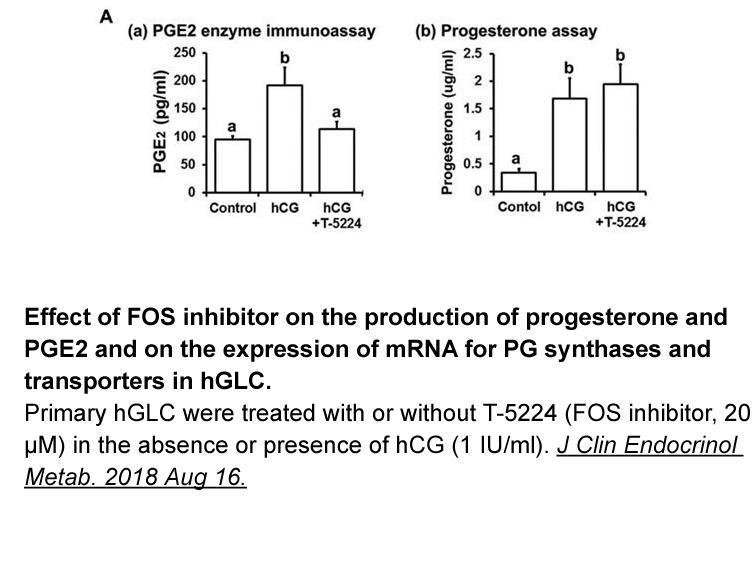
A different example of substrate-dependent activation is seen in CSN5, a JAMM-type DUB found in the eight subunit COP9 signalosome (CSN) [34]. The CSN deconjugates NEDD8 (neural precursor cell expressed developmentally downregulated 8) from Cullin Ring ubiquitin E3 ligases (CRLs). Through this activ
-
Consistent with our previous study Gao et al b Wu
2020-02-20
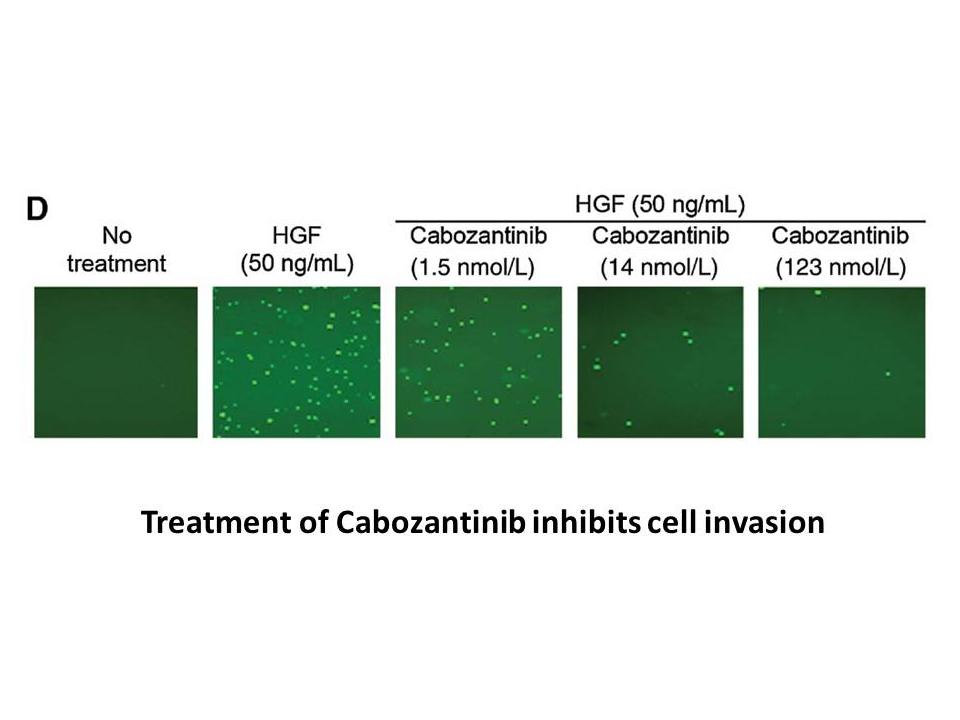
Consistent with our previous study (Gao et al., 2018b; Wu et al., 2018), we found that TCB-2 disrupted both pup preference and home-cage maternal behavior. Based on the findings that 4-h pup protease activated receptor (a technique presumably increases maternal motivation) failed to attenuate the T
-
Our data also showed that D dopamine receptor
2020-02-20
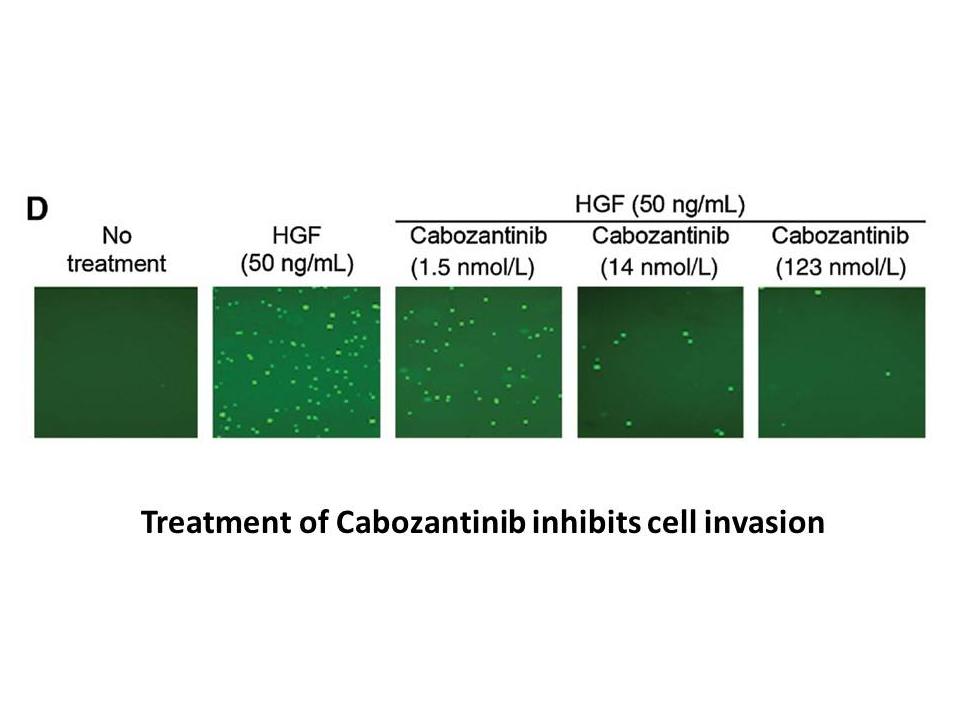
Our data also showed that D2 dopamine receptor was down-regulated in the hippocampus, NAc and striatum of F1-MEP animals, which was only significant in the hippocampus. Both agonists and antagonists of D2 dopamine receptor are able to decrease heroin self-administration (Hemby et al., 1996; Rowlett
-
br Other factors regulating DNA PKcs Recent work
2020-02-20
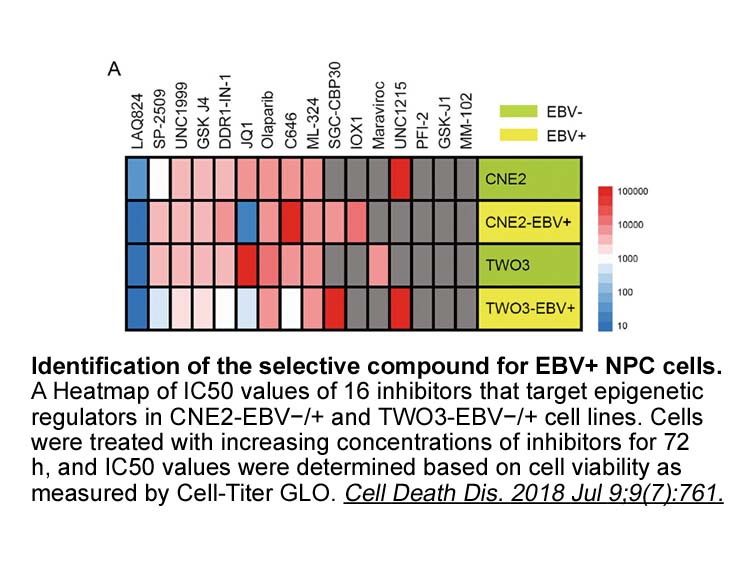
Other factors regulating DNA-PKcs Recent work in the field has also focused on factors that regulate NHEJ and NHEJ factors, in particular proteins that modulate DNA-PKcs. In this section we will highlight a number of factors which have been found to regulate DNA-PKcs. DNA-PKcs phosphorylation at
-
On the other hand the IL promoter activity induced
2020-02-20
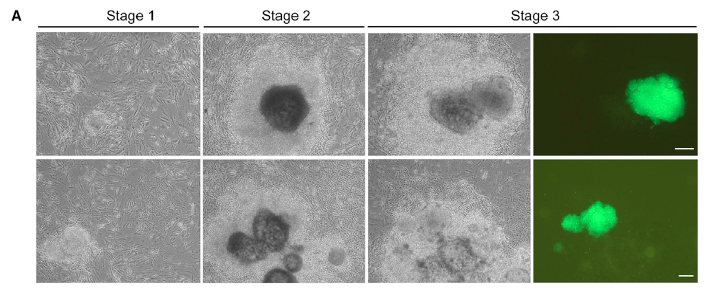
On the other hand, the IL-8 promoter activity induced by the signalling cascade of the CysLT1-G300S receptor is higher than that of the WT receptor. The chemokine IL-8 is mainly involved in the recruitment and activation of neutrophils and we have previously shown that this chemokine gene is a targe
-
br Materials and methods br Results br Discussion One novel
2020-02-20
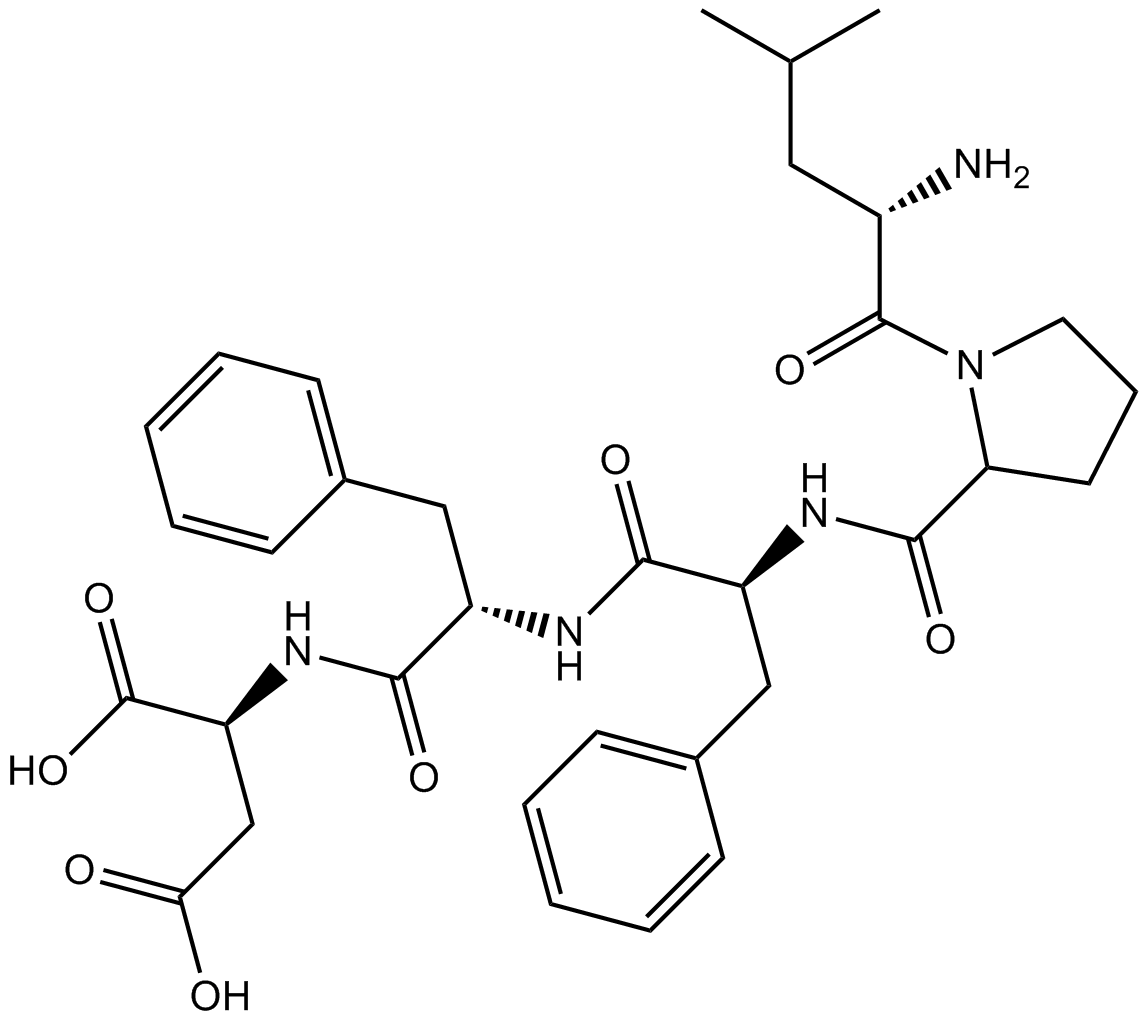
Materials and methods Results Discussion One novel finding in our study is that CK2 inhibition preserved axon function and structure in WM against ischemia. Consistent with these findings, oligodendrocytes, astrocytes, myelin, and Balaglitazone were found to express CK2α. The robust expres
-
HA activates its receptor channels to cause
2020-02-20
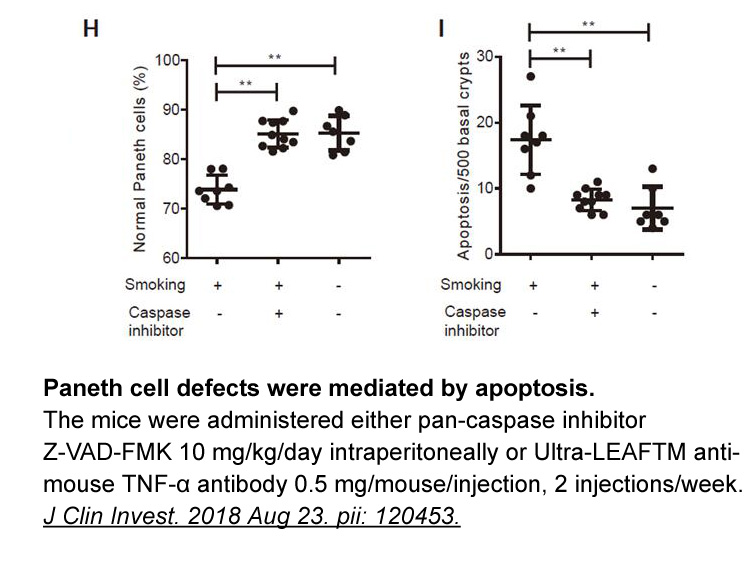
HA activates its receptor channels to cause an inward chloride flux in the insect nervous system (Hardie, 1989). Two genes encoding the subunits of these channels were first identified in D. melanogaster: one previously known as ort (also differently named as hclA, DM-HisCl-α1, hisCl2 and Dm HA-Cl I
-
br Declaration of conflicting interests
2020-02-20
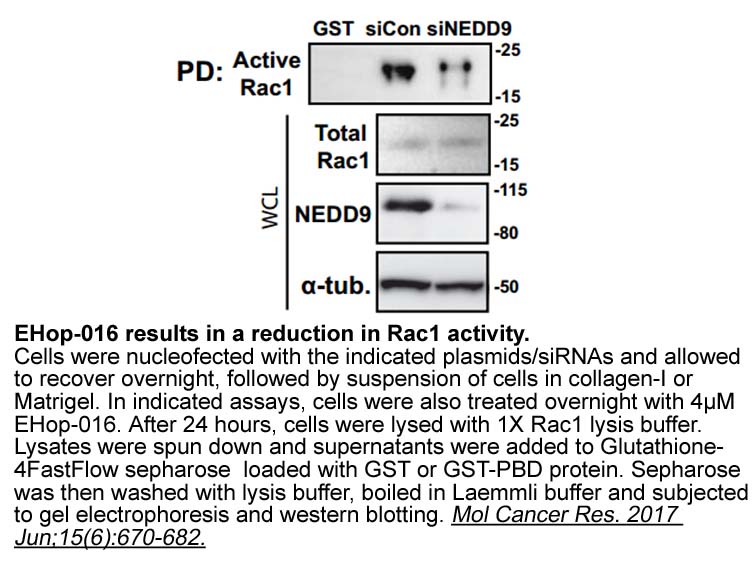
Declaration of conflicting interests Funding The author(s) disclosed receipt of the following financial support for the research, authorship, and/or publication of this article: This work was supported by CT Stem Cell grant # 15-RMB-YALE-07 (to L.E.N), and by an unrestricted Research Gift from
-
Accumulating evidence suggests that certain abnormal emotion
2020-02-20
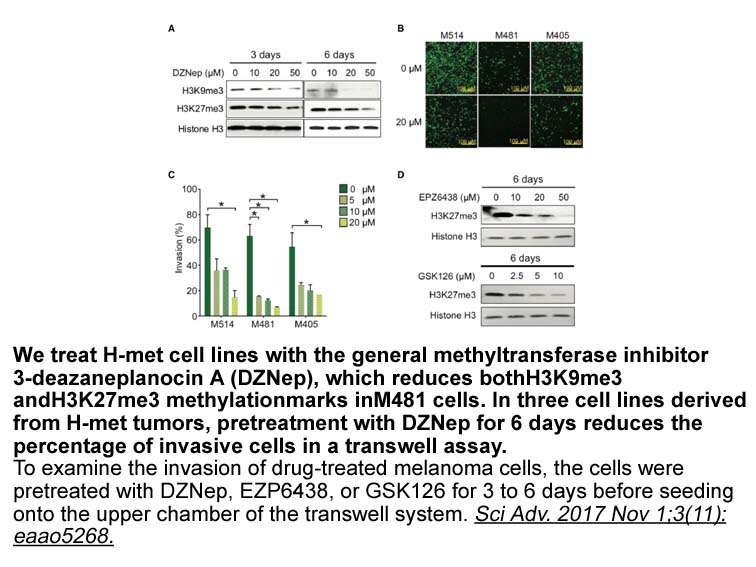
Accumulating evidence suggests that certain abnormal emotional traits, such as impulsive aggression and cluster B personality, are associated with suicidal behaviors (Currier and Mann, 2008, Mann et al., 2009, Rujescu et al., 2007, Turecki, 2005). Impulsive aggression appeared to be associated with
15770 records 883/1052 page Previous Next First page 上5页 881882883884885 下5页 Last page